
Understanding Building Energy Management Systems: Beyond The Basics
Imagine your building as a living, breathing organism. A Building Energy Management System (BEMS) acts as its central nervous system, constantly monitoring and adjusting its vital functions to maintain optimal comfort and efficiency. It's more than just a fancy thermostat; it's a network of interconnected components working together to create a responsive and efficient environment.
This responsiveness translates directly into cost savings by optimizing energy usage. It also makes for a more comfortable space for occupants and helps reduce your building's environmental footprint. For those interested in sustainable building practices, check out this resource on eco-friendly construction.
How BEMS Transforms Buildings
Traditional building management is often reactive, like putting out a fire after it's already started. This can lead to wasted energy and uncomfortable conditions. BEMS flips the script, focusing on proactive management.
Picture this: a meeting room is booked for 2 pm. A BEMS can anticipate this and pre-cool the room just in time, ensuring a comfortable temperature when people arrive. This predictive capability is a major advantage of BEMS. It can also detect and diagnose equipment malfunctions, like a struggling AC unit, automatically alerting maintenance before a small problem becomes a major headache.
The integration of data analytics and cloud-based technologies has revolutionized BEMS in the UK. By 2025, it's estimated that the combination of IoT and AI within BEMS will allow for real-time data collection from various building functions like HVAC, lighting, and water management. This provides immediate insights into building performance, and cloud platforms enable remote monitoring and control. Learn more about these trends here. This empowers facility managers to oversee and adjust building performance from anywhere, boosting both efficiency and responsiveness.
The Interconnected Web of Components
Understanding BEMS means appreciating how its components work together. Think of it as an orchestra: sensors are the "ears," gathering data on temperature, occupancy, and other environmental factors. Controllers are the "brain," processing this data and sending instructions to the building's systems. The software platform is the "conductor," overseeing the entire operation and providing valuable insights to facility managers.
This screenshot shows the different levels of building automation, from basic control to advanced optimization, illustrating the evolution from simple reactive systems to smart, interconnected networks. It highlights how BEMS uses various levels of control to achieve optimal building performance.
Lùths Services' Expertise
Lùths Services brings extensive experience in BEMS implementation and management. Our approach goes beyond just the technology itself. We focus on the unique needs and goals of each client. We know that successful BEMS implementation requires meticulous planning, expert integration, and ongoing optimization.
This comprehensive approach allows us to deliver solutions that not only cut energy consumption but also improve comfort and productivity, contributing to the long-term sustainability of your building. This is what distinguishes Lùths Services in the UK BEMS market.
The Core Components That Make BEMS Actually Work
Like a conductor leading an orchestra, a Building Energy Management System (BEMS) orchestrates different parts working in harmony. But what are these parts, and how do they function in a real building? Let’s explore the key components, drawing on practical insights from experienced system integrators. We’ll uncover how sensors, controllers, and software platforms each contribute to the overall performance of a BEMS.

This infographic shows the interconnectedness of a BEMS, illustrating how smart sensors play a crucial role in saving energy. Data collection and analysis are highlighted as key drivers for optimized building performance and cost savings.
The Importance of High-Quality Hardware
First, let's talk about sensors. These are the "eyes and ears" of the system, constantly monitoring things like temperature, humidity, occupancy, and light levels. Accurate data from these sensors is essential; it's the foundation upon which the entire BEMS operates. Imagine them as the nervous system, providing vital information about the building's current state.
Next, we have controllers, the "brains" of the operation. Controllers receive the data from the sensors and, based on predefined rules, adjust building systems accordingly. Picture this: a sensor detects an empty room. The controller automatically dims the lights and adjusts the temperature, instantly saving energy. Minimizing a building's environmental impact is a key part of energy management. A Carbon Footprint Calculator can help you assess and reduce your impact.
The Power of Software
Hardware alone doesn’t make a BEMS work. The software platform is the central nervous system, tying everything together. It integrates the data from the hardware, allowing for intelligent building control. This is where things get truly interesting. Facility managers can monitor performance, identify areas for improvement, and make informed, data-driven decisions. A robust software platform offers detailed analytics, generates reports, and can even predict future energy use. This empowers building owners to optimize energy consumption, reduce costs, and improve overall building performance.
The Synergy Between Hardware and Software
This screenshot showcases the variety of building automation and control products available for implementing a BEMS. Choosing the right hardware components is crucial for effective management and control of building systems.
A successful BEMS depends on the seamless integration of its hardware and software. High-quality hardware ensures accurate data collection and reliable control. But even the best hardware is useless without powerful software to analyze and interpret the information it gathers.
To illustrate the relationship between these components, let’s look at a comparison table:
BEMS Component Comparison: Hardware vs Software Elements
| Component Type | Primary Function | Key Benefits | Implementation Complexity |
|---|---|---|---|
| Sensors | Data collection (temperature, humidity, occupancy, etc.) | Real-time building insights, informed decision-making | Relatively low |
| Controllers | Automated system adjustments based on sensor data | Optimized energy use, improved comfort | Moderate |
| Software Platform | Data integration, analysis, and reporting | Performance monitoring, cost reduction, predictive capabilities | Can be complex, requires expertise |
This table highlights how each component contributes to the overall BEMS. While sensors provide the raw data, the controllers act upon it, and the software platform makes sense of it all. The complexity of implementation increases as you move from hardware to software, showcasing the need for specialized knowledge and expertise. This is where companies like Lùths Services come in. We specialize in designing and implementing integrated systems that truly work, focusing on each building's unique needs. Our goal is to maximize efficiency, reduce costs, and boost performance.
Building The Business Case That Actually Gets Approved
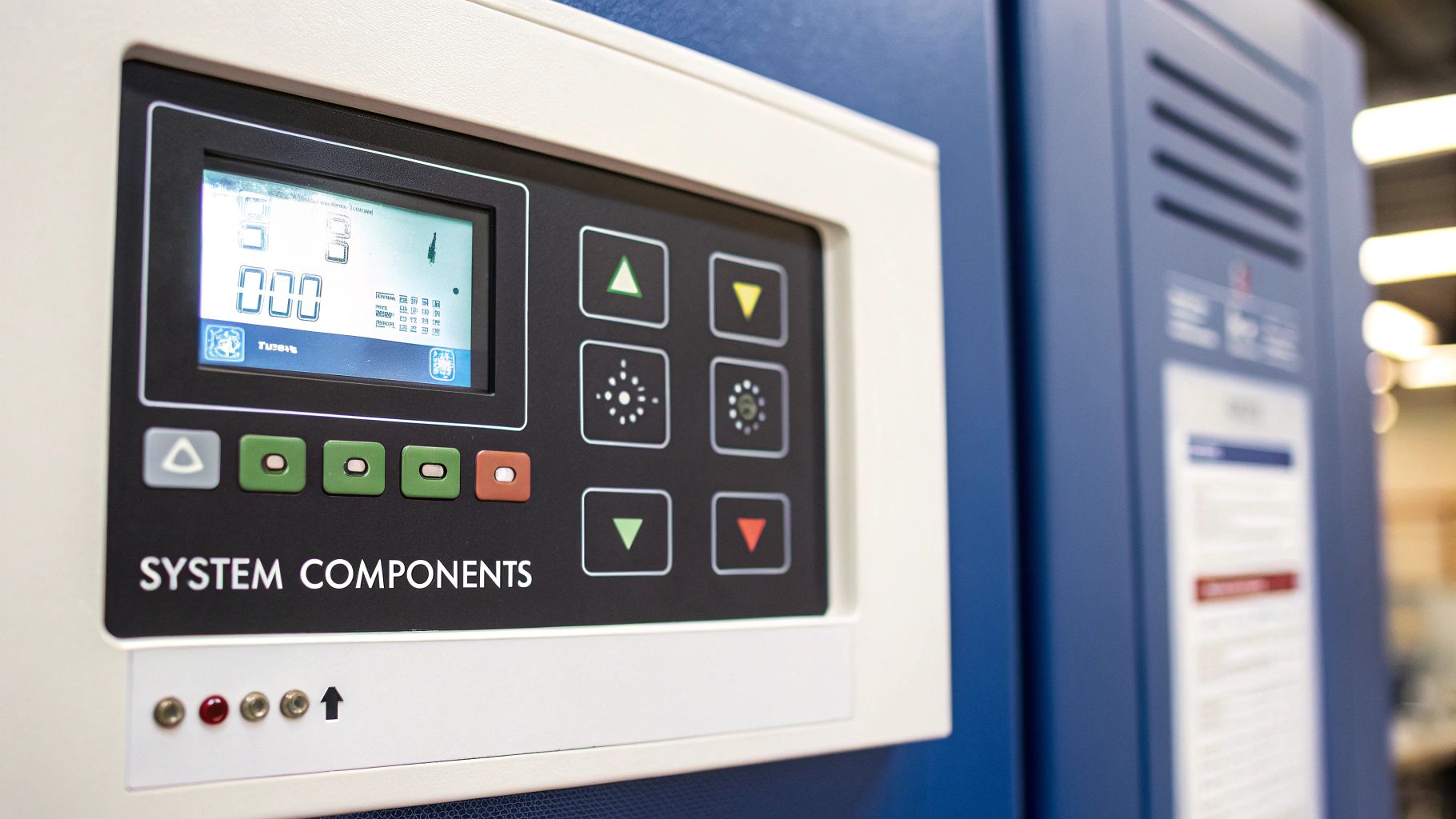
Getting the budget approved for a Building Energy Management System (BEMS) requires more than just talking about saving energy. You need a solid business case that clearly shows a return on investment, one that aligns with your organization's overall goals. Think of it less like a sales pitch and more like a strategic investment proposal.
Instead of focusing solely on reduced energy consumption, you need to demonstrate the wider value BEMS brings. It's similar to upgrading a car's engine. You're not just aiming for better fuel economy; you also want improved performance, reliability, and a longer lifespan. A BEMS offers similar advantages for your building.
Beyond Energy Savings: The Comprehensive Value Proposition
BEMS incorporates a complex network of automated components. Understanding the details of these systems, like how Vacuum Solenoid Valves function, reveals the sophistication of a building's automated controls. A well-implemented BEMS improves occupant comfort and productivity. Picture a workspace with ideal temperature, fresh air, and perfectly calibrated lighting. This creates a more pleasant and productive environment, boosting the bottom line.
BEMS also significantly reduces maintenance costs. By spotting potential issues early and optimizing equipment performance, you can prevent expensive breakdowns and prolong the life of your building's systems. This proactive approach avoids future headaches and keeps things running smoothly.
Furthermore, BEMS helps ensure regulatory compliance and boosts your building's sustainability credentials. In an increasingly eco-conscious world, this can set you apart from the competition and enhance your brand image. Facilities using advanced BEMS with cloud analytics can cut energy consumption by up to 30%, crucial for meeting sustainability targets. The use of AI in BEMS data analytics is especially impactful, analyzing vast amounts of data, predicting energy needs, and optimizing performance beyond human capacity. Discover more insights. This not only supports government initiatives but also leads to long-term cost savings and improved operational efficiency.
Addressing Implementation Challenges
Implementing a BEMS does have its hurdles. Budget limitations, getting everyone on board, and the complexities of integrating with existing systems can be obstacles. However, successful organizations tackle these challenges through careful planning, transparent communication, and a phased implementation strategy.
A pilot project in a specific area of your building can effectively demonstrate BEMS benefits and gain stakeholder support. This provides real-world data and tangible results before a full-scale rollout.
Partnering with an experienced BEMS provider like Lùths Services offers invaluable expertise and support. We understand the intricacies of integrating BEMS into existing building infrastructure and can guide you through the process.
Proactively addressing these challenges ensures a smooth implementation and maximizes your BEMS investment. This strategic approach minimizes risks and sets the stage for long-term success. Building a strong business case hinges on showcasing the value of BEMS beyond simple energy savings, emphasizing its impact on building performance, occupant well-being, and long-term sustainability.
Let's look at a potential breakdown of ROI:
To understand the financial impact more clearly, the following table illustrates typical savings and return on investment timelines:
BEMS ROI Analysis: Cost Savings Breakdown
Detailed breakdown of potential cost savings and ROI timelines for BEMS implementation
| Savings Category | Typical Reduction % | Annual Value | ROI Timeline |
|---|---|---|---|
| Energy Consumption | 20-30% | Variable, depending on building size and current usage | 3-7 Years |
| Maintenance Costs | 10-20% | Variable, depending on equipment age and maintenance history | 5-10 Years |
| Improved Productivity (estimated) | 5-15% | Difficult to quantify directly but can contribute significantly to overall ROI | Ongoing |
This table illustrates how the various benefits translate into financial returns over different timeframes. While energy savings are the most immediate and quantifiable benefit, the long-term impact on maintenance and productivity further strengthens the case for BEMS investment. The improved working environment and reduced operational costs contribute significantly to the overall return.
Navigating The UK BEMS Market: What's Really Happening
The UK BEMS market is a busy place, but it's hard to tell what's real progress and what's just good marketing. In this section, we'll explore what's actually happening for building owners and facility managers, going beyond the headlines and getting into real conversations with industry experts. We'll uncover the true drivers of BEMS adoption, the practical challenges involved, and how the competitive landscape is changing.
Key Forces Shaping the Industry
Several key factors are reshaping the UK BEMS landscape. For one, smart meter mandates are creating a push for greater transparency and control over energy use. Building owners are no longer in the dark about their consumption patterns.
This increased awareness goes hand-in-hand with building performance regulations, such as those affecting private rented properties, which demand higher efficiency standards.
This screenshot from the UK government website highlights the guidance on energy efficiency standards for private rented properties. It illustrates how regulation is a key driver for adopting energy management solutions like BEMS in the UK. Compliance and better building performance are now closely linked.
While these regulations encourage innovation, they also bring challenges. Meeting the standards often requires considerable investment and specialized knowledge. Staying ahead of the game in a fast-changing technological environment can also be difficult.
The Competitive Landscape and Emerging Technologies
The UK is a hub for BEMS innovation. It's a highly competitive market, with many companies vying for attention. This competition drives innovation, but it also makes choosing the right BEMS partner crucial.
Which technologies are truly delivering? What trends will shape the next ten years? The answers impact investment decisions significantly. The UK BEMS sector has experienced rapid growth and increased market maturity, driven by government initiatives promoting energy efficiency and smart tech. The market is expected to grow at a CAGR of 11.6% between 2025 and 2030, with over 241 major BEMS companies currently operating in the UK. This creates a competitive landscape focused on sustainability and cost reduction. Discover more insights.
Understanding this landscape is essential. Selecting the right BEMS partner, like Lùths Services, with proven expertise and a tailored approach, can make the difference between a successful BEMS implementation and an expensive mistake. Lùths Services understands the specific complexities of the UK market and can help you navigate the process of choosing the best solution for your unique building needs.
Market Trends and Investment Decisions
What’s next for building energy management in the UK? The combination of AI, IoT (Internet of Things), and cloud computing is creating intelligent systems that can anticipate needs and optimize performance in remarkable ways. Data-driven decisions are becoming the standard, with real-time analytics providing valuable insights into building operations.
These advances offer huge opportunities but require careful consideration of long-term investment strategies. Understanding these trends and selecting a partner who can help you understand them is crucial. Lùths Services, with our in-depth understanding of the UK market and commitment to data-driven solutions, can help you navigate these trends and make smart decisions that prepare your building for the future. We concentrate on practical, scalable solutions that provide tangible results, ensuring your BEMS investment delivers lasting value and supports your sustainability objectives.
Implementation Strategies That Actually Work

This screenshot showcases the ISO 50001 standard for energy management systems. It provides a framework for implementing, maintaining, and improving an organization's energy performance. The standard stresses the importance of structured energy management, focusing on continuous improvement and established best practices.
Putting a building energy management system (BEMS) into action effectively goes beyond simply installing new technology. It requires a well-defined strategy specific to your organization. Think of it like planning a road trip – you wouldn’t just hop in the car and start driving without a destination and a route in mind. This guide will walk you through practical implementation methods, addressing potential bumps in the road along the way.
Phase 1: Assessment and Planning
First, take a detailed look at your building’s current energy consumption patterns. It's like checking your starting point on a map before beginning your journey. Where are you now, and where do you want to be? Pinpoint areas of energy waste and clearly define your goals. This initial analysis is the cornerstone of your BEMS strategy.
Then, develop a comprehensive implementation plan. This is your roadmap, outlining the specific steps, timelines, and necessary resources. A realistic timeline accounts for potential delays and includes contingency plans. Just like any road trip, unexpected detours might happen, so preparation is key.
Phase 2: System Design and Selection
Select a BEMS that fits your building’s unique needs and existing infrastructure. Consider factors like system compatibility, scalability, and the provider’s expertise. Choosing the right system is like choosing the right vehicle for your trip—it needs to be suitable for the terrain and capable of handling the passengers and cargo.
Keep stakeholders involved throughout the process. This builds consensus and encourages a sense of ownership. Think of your stakeholders as your passengers – everyone needs to be on board and understand the trip’s purpose.
Phase 3: Installation and Commissioning
The installation phase involves the physical setup of the BEMS hardware and software. This is where your journey begins in earnest. Ensure proper installation and testing by qualified professionals for long-term system dependability.
Thorough commissioning and testing are crucial to guarantee everything operates as expected. This is like checking your car's engine, tires, and lights before hitting the open road – ensuring every system is functioning correctly.
Phase 4: Ongoing Optimization and Management
Implementing a BEMS isn’t a one-time fix; it's an ongoing process. Just as a car requires regular maintenance, your BEMS needs continuous monitoring, optimization, and adjustments.
Establish clear performance metrics and regularly track progress. This helps pinpoint areas for improvement and highlights the value of your BEMS investment. It's like monitoring your gas mileage during a road trip, identifying ways to improve fuel efficiency and save money.
Addressing the Unspoken Challenges
Let’s be honest: every project encounters unforeseen obstacles. Budget overruns, integration problems, and user adoption challenges can throw off even the best-laid plans. Openly discussing these potential roadblocks is essential. It’s like acknowledging the possibility of encountering traffic jams or road closures during your trip.
Open communication and proactive problem-solving are essential. Anticipating these challenges and tackling them head-on increases the likelihood of a successful implementation. A collaborative approach and a willingness to adapt are your best navigation tools.
Partnering with an experienced BEMS provider like Lùths Services offers invaluable support throughout the entire process. We provide expert guidance, custom solutions, and ongoing support to help you successfully navigate your BEMS implementation journey. We understand the unspoken challenges and are prepared to assist you every step of the way, ensuring optimal energy performance for your building and maximizing your return on investment.
Real Success Stories: BEMS Transformations That Delivered
Real-world examples are the best way to understand the power of Building Energy Management Systems (BEMS). Let's explore some case studies, showcasing different building types and how BEMS made a difference – from offices cutting energy bills to schools improving learning environments. These stories offer practical insights into implementation, challenges, and tangible results.
From Offices to Universities: BEMS in Action
Imagine a large office complex in London grappling with rising energy costs and pressure to reduce its environmental impact. They decided to implement a BEMS that integrated with their existing heating, ventilation, and air conditioning (HVAC) and lighting systems. By using occupancy sensors to adjust lighting and temperature in real-time, they drastically reduced energy waste in empty areas. The outcome? A 25% reduction in annual energy consumption, leading to significant cost savings and a smaller carbon footprint.
Now, picture a university in Scotland aiming to improve the learning environment within tight budget constraints. They implemented a BEMS to optimize HVAC schedules and monitor energy use in classrooms and lecture halls. The result: a 15% reduction in energy costs, along with better indoor air quality and thermal comfort. This highlights how BEMS can contribute to both financial and operational goals.
This screenshot from the Chartered Institution of Building Services Engineers (CIBSE) website showcases a collection of case studies related to building services engineering. These offer valuable real-world examples of how BEMS and other technologies are applied to achieve sustainable building performance. The site provides detailed information and metrics, offering practical learning experiences.
Learning From Real Experiences: What Worked, What Didn't
These case studies offer more than just success metrics; they reveal the importance of planning, stakeholder engagement, and continuous optimization. For example, the London office complex initially struggled to integrate the BEMS with their older systems. Close collaboration with their BEMS provider proved essential, highlighting the value of expert support.
The university, on the other hand, learned that user adoption was crucial. They invested in training for facilities staff and communicated clearly how to use the system effectively.
Measuring Success Beyond Simple Savings
What truly defines a successful BEMS implementation? While energy savings are a key motivator, real success involves broader outcomes. Improved occupant comfort, lower maintenance costs, and better overall building performance all contribute to the value.
By learning from these experiences, organizations can begin their BEMS journey with realistic expectations. These case studies prove that BEMS isn't solely about technology; it’s a strategic approach to building management that delivers tangible, long-term benefits. Lùths Services, with our UK market expertise, can guide organizations towards similar success. We develop custom solutions tailored to each client's needs, ensuring maximum value and supporting sustainability goals. Our approach considers the bigger picture of building performance, helping organizations optimize energy use, improve comfort, and achieve long-term operational efficiency.
Key Takeaways: Your BEMS Success Roadmap
Implementing a successful Building Energy Management System (BEMS) is a process, not an event. This roadmap summarizes key takeaways to guide you, whether you're just starting to explore BEMS or looking to optimize an existing system. Think of it as your GPS for building energy management.
Strategic Considerations for BEMS Success
Before starting a BEMS project, clearly define your goals. Are you primarily focused on lowering costs, making occupants more comfortable, or hitting sustainability targets? Like planning a road trip, knowing your destination helps you choose the right path.
Consider your building's individual needs and existing systems. A historic building will have different requirements than a modern office. Tailor your BEMS approach accordingly, ensuring it integrates smoothly with what's already in place.
Navigating Decision Points
Choosing the right BEMS provider is critical. Look for expertise, experience in the UK market, and a commitment to ongoing support. It's like choosing a contractor for home renovations – you need someone reliable and knowledgeable.
Don't overlook the importance of getting everyone on board. Involve key personnel throughout the BEMS process, from initial planning to day-to-day management. This builds a sense of ownership and ensures everyone understands the system's value. It's like getting your family's input on a vacation – it leads to a smoother trip.
Setting Realistic Expectations
BEMS implementation requires time. Don't expect immediate results. Develop a realistic timeline and budget, accounting for potential hurdles. Like any construction project, there will be unexpected delays.
Ongoing optimization is also key. A BEMS isn't a "set it and forget it" solution. Regularly check its performance, find areas for improvement, and adjust strategies as needed. Think of it like tending a garden – continuous care is required for it to flourish.
Warning Signs and Key Performance Indicators
Be mindful of potential problems during implementation. Miscommunication, integration issues, and low user adoption can all hinder a project. These are like warning signs on a hiking trail – they indicate potential dangers to watch out for.
Track key performance indicators (KPIs) to measure success. Monitor energy use, cost savings, and occupant comfort. These metrics show your investment’s return and reveal further opportunities for improvement. They’re like the financial reports of a business – they provide the data you need to make sound decisions.
For expert advice and a customized approach to BEMS implementation in the UK, partner with Lùths Services. We offer complete solutions designed to meet your building's specific needs and help you reach your energy management goals. Learn more about how Lùths Services can help you achieve BEMS success.
Article created using Outrank