
Understanding Industrial Energy Efficiency Beyond The Buzzwords

This infographic neatly lays out the core elements of industrial energy efficiency: Technology Upgrades, Process Optimization, and Monitoring & Control. Think of them as three interconnected gears. Technology upgrades provide the new, efficient machinery. Process optimization fine-tunes how you use that machinery. And monitoring & control acts as the feedback loop, ensuring everything runs smoothly and highlighting areas for further improvement.
Now, let's shift gears and think about your facility as having its own unique "energy personality." Just like people, some facilities are naturally energy-efficient, while others consume vast amounts of energy. Understanding this “personality” is key to creating a culture of efficiency. In the UK, this has become a major priority. By 2025, industrial energy consumption had dropped by 1.4%. This likely reflects both increased efficiency efforts and the rising energy prices, identified as the top business risk by 51% of UK manufacturers. You can dig deeper into this trend in the UK government's energy report. Discover more insights
Diagnosing Your Facility's Energy Personality
So, where does your facility fall on the efficiency spectrum? This goes beyond simply looking at total energy use. It’s about understanding the specific processes and behaviours that contribute to that usage. Let's look at a few examples:
- The Energy Hog: Picture outdated equipment, inefficient workflows, and a general lack of awareness around energy consumption. These facilities often have a lot of easily preventable energy waste.
- The Average Joe: They meet industry standards but haven't actively pursued energy efficiency. There’s room for improvement, but they might need some encouragement or incentives.
- The Energy Whisperer: These facilities use the latest technologies, have highly optimized processes, and a strong culture of energy conservation. They’re the best in their class and always looking for ways to improve.
Building a Foundation for Lasting Improvement
Once you understand your facility's “energy personality,” you can start designing solutions that fit its specific needs. This means addressing both the technical side and the human element. Here's how:
- Technology Upgrades: New equipment and automation can make a big difference. But choosing the right upgrades and integrating them effectively is essential.
- Process Optimization: Think of this as streamlining your operations. Eliminating unnecessary steps can lead to big savings without huge investments.
- Monitoring and Control: Real-time energy monitoring systems help pinpoint areas of waste and track the impact of your efficiency efforts. Think of it like a fitness tracker for your facility.
- Culture Change: Getting your team on board and creating a culture of energy awareness is crucial. This means training, incentives, and regular communication. This might interest you: our guide on whole-life carbon costs.
To help illustrate the difference between a modern energy efficiency approach and traditional cost-cutting, let's look at the following table:
Energy Efficiency Drivers vs Traditional Cost Management
This table compares how modern energy efficiency initiatives stack up against more conventional cost-cutting strategies, showing the impact on both productivity and long-term savings.
| Approach | Focus Area | Time to ROI | Productivity Impact | Long-term Benefits |
|---|---|---|---|---|
| Traditional Cost Cutting | Reducing Expenses | Short Term | Often Negative | Short-term cost reduction, potential for long-term loss |
| Energy Efficiency | Optimizing Resources | Long Term | Generally Positive | Sustainable cost reduction, increased productivity |
The key takeaway here is that while traditional cost-cutting might provide quick wins, it can often hurt productivity and long-term growth. Energy efficiency, on the other hand, offers a more sustainable path, boosting both your bottom line and your operational performance.
By addressing both the technical and human sides of energy use, you can move past the jargon and achieve real, lasting industrial energy efficiency. This not only lowers your energy bills but also makes your business more competitive and contributes to a more sustainable future.
The Hidden Energy Vampires Draining Your Bottom Line
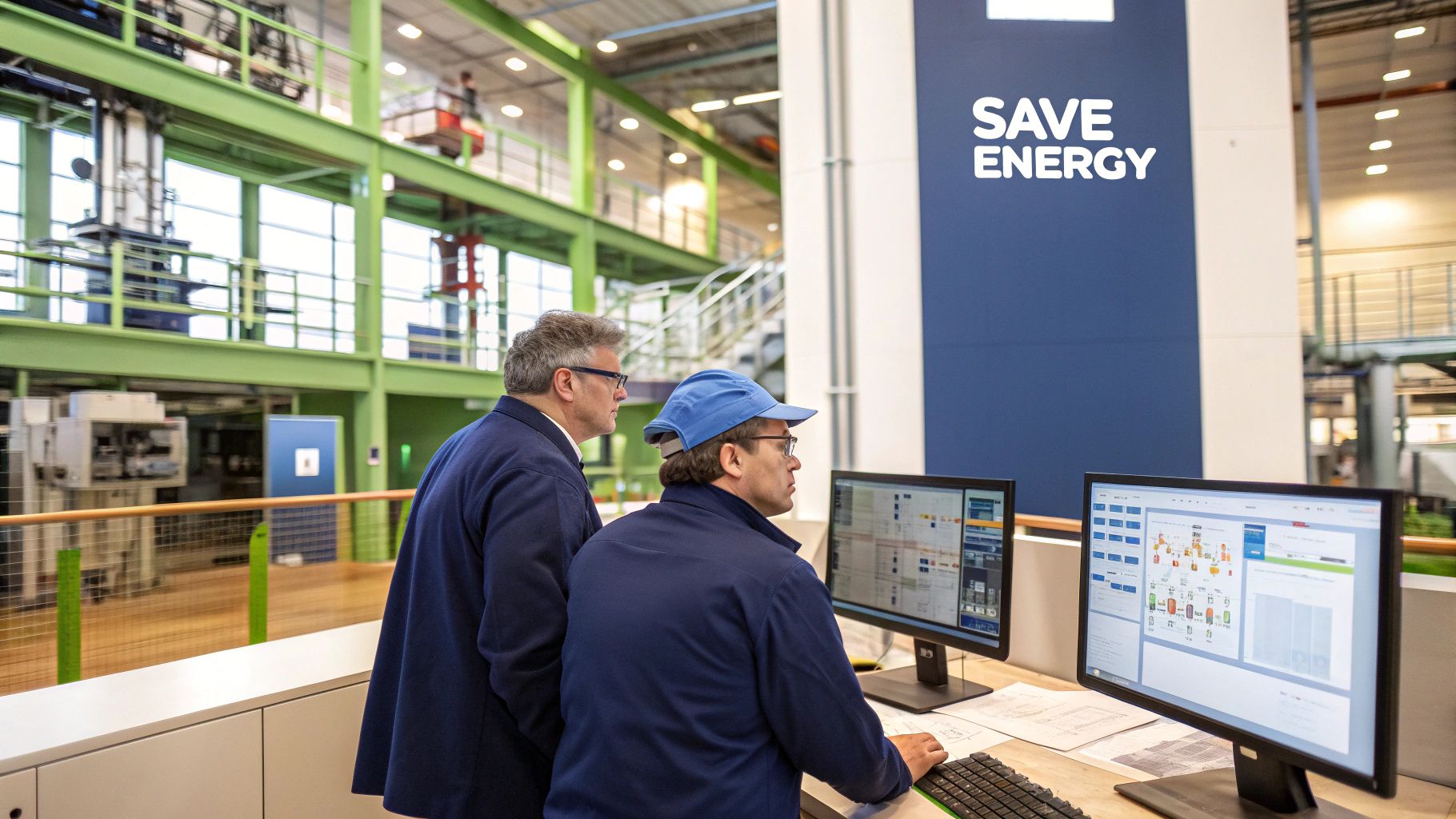
Every factory faces a common, costly challenge: hidden energy drains. These unseen inefficiencies quietly siphon money from your budget, much like a small leak slowly draining a swimming pool. While you might diligently focus on the big energy consumers, like heavy machinery, these subtle losses can add up to a significant impact on your bottom line.
Unmasking the Usual Suspects
Let's take a closer look at some common culprits in UK manufacturing plants. One of the most prevalent is phantom loads. Think of that phone charger plugged in even when your phone isn't connected – it's still drawing power. Multiply this across an entire factory with numerous pieces of equipment left in standby mode, and the energy wasted becomes substantial. Another often-overlooked drain is compressed air systems. Leaks in these systems are notoriously difficult to pinpoint, yet they constantly bleed energy and money, 24 hours a day, 7 days a week. It's like a slow puncture in a tire – you might not notice it immediately, but it's steadily reducing your efficiency. You might also be interested in improving air source heat pump efficiency.
Real-World Energy Mysteries
Consider a textile plant in the Midlands struggling with unexpectedly high energy bills despite a recent lighting upgrade. A detailed investigation revealed the surprising source: a single faulty valve in their compressed air system, leaking the equivalent of £50,000 per year. In another case, an automotive supplier near Birmingham invested in "energy-efficient" LED lighting, only to see their energy bills increase. The new lights generated significantly more heat, putting a heavier load on the air conditioning system. These examples show how even well-intentioned improvements can backfire if hidden energy drains remain unaddressed.
Let's dive into some common hidden drains across various sectors, along with their associated costs and detection challenges. The following table provides a clearer picture:
Common Hidden Energy Drains by Industry Sector
| Industry Sector | Primary Hidden Drain | Average Annual Cost | Detection Difficulty | Quick Fix Potential |
|---|---|---|---|---|
| Food & Beverage | Refrigeration Leaks | £20,000 – £50,000 | Moderate | High |
| Automotive | Compressed Air Leaks | £15,000 – £40,000 | High | Medium |
| Textiles | Steam System Losses | £10,000 – £30,000 | High | Medium |
| Pharmaceuticals | HVAC Inefficiency | £25,000 – £60,000 | Moderate | High |
| Plastics & Rubber | Pump System Optimization | £12,000 – £35,000 | Moderate | Medium |
As this table demonstrates, significant costs can be attributed to often overlooked inefficiencies, and addressing these can lead to substantial savings.
Why Traditional Monitoring Falls Short
Traditional energy monitoring systems typically focus on overall consumption. They tell you how much energy you're using, but not where the waste is occurring. It's like knowing your bank balance is low without seeing the individual transactions. To find the real energy vampires, you need a more granular approach, analyzing energy flow within specific systems and processes.
Becoming an Energy Detective
Identifying hidden energy drains requires a keen eye and a bit of detective work. Look for telltale signs: excessive heat around equipment, unusual hissing sounds from compressed air systems, and motors running constantly, even during idle periods. By developing a deeper understanding of your facility’s energy dynamics and thinking like a detective, you can uncover hidden inefficiencies that others might miss. The next section will delve into practical techniques for identifying and eliminating these costly energy drains.
Smart Tech Solutions That Actually Deliver Results
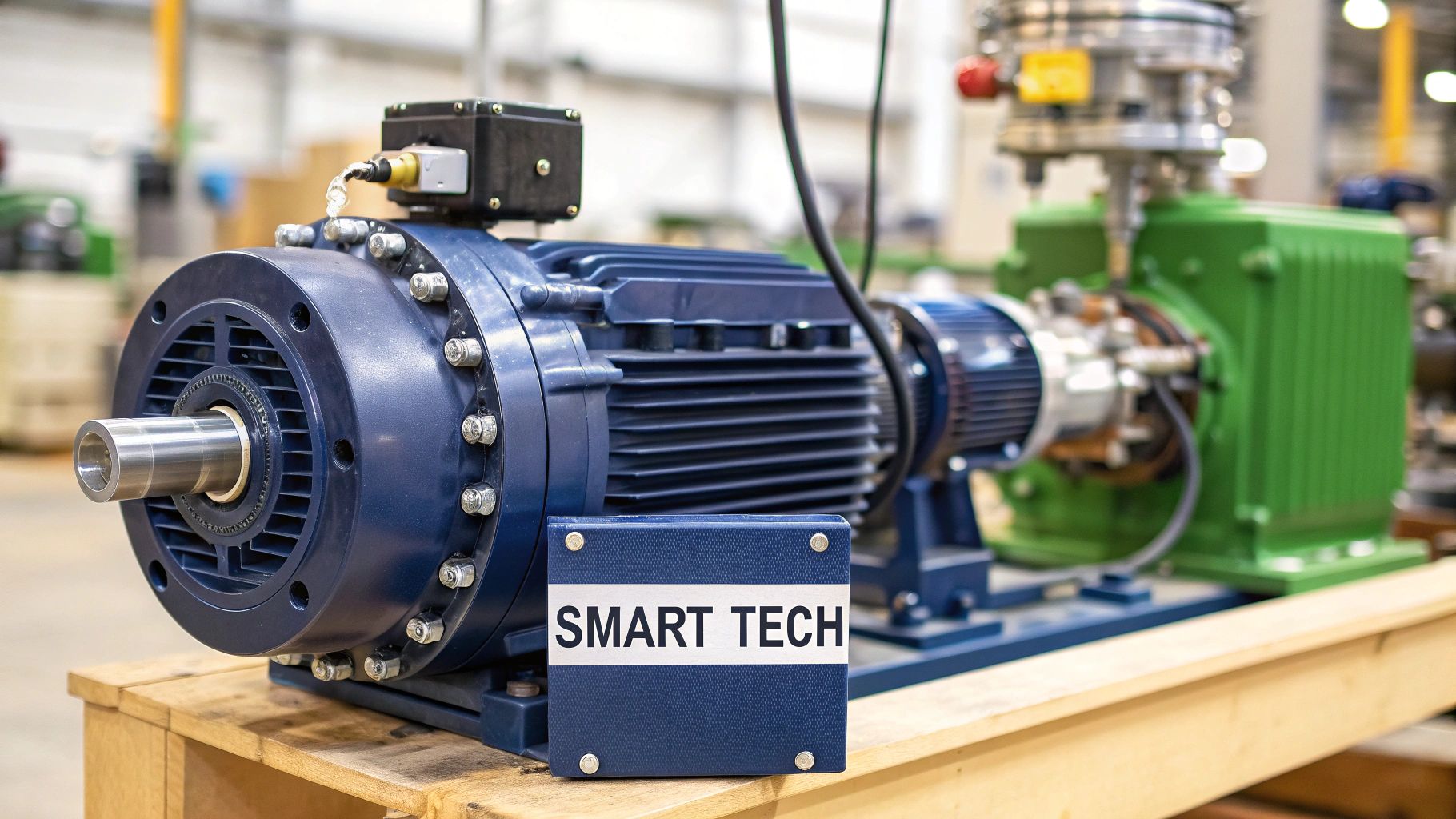
Let's face it, the world of industrial energy efficiency can be confusing. Lots of jargon, lots of promises. This section clears the fog and highlights the technologies actually making a difference in UK manufacturing. We'll skip the marketing fluff and focus on the practical side, exploring what works – and what doesn't.
Intelligent Motor Controls: Fine-Tuning Your Energy Use
Think of the electric motors in your factory as the heart of your operation. Essential, but often energy-hungry. Intelligent motor controls, sometimes called variable speed drives (VSDs), help regulate this energy use. Imagine a car constantly running at top speed, even in a traffic jam. Wasteful, right? VSDs let motors adjust their speed based on real-time needs, much like easing off the accelerator when you don't need full power. This translates to serious energy savings, especially for equipment like pumps and fans, which have fluctuating demands.
Predictive Maintenance: Stopping Problems Before They Start
Another powerful tool is predictive maintenance. Instead of reacting to breakdowns, predictive maintenance uses data and analytics to anticipate potential issues. This allows for proactive repairs, minimizing downtime and the energy waste that comes with faulty equipment. It's like regular health check-ups – catching problems early can prevent larger, more expensive issues down the road. Even exploring new cleaning methods like industrial laser cleaning can boost efficiency by replacing older, less energy-efficient alternatives.
Smart Sensors and Automated Systems: Data-Driven Efficiency
Imagine having a real-time view of your factory's energy use. Smart sensors make this possible, acting as the eyes and ears of your operation. They gather valuable data that helps you optimize energy consumption. Paired with automated systems, these sensors can adjust equipment settings based on real-time conditions, ensuring peak efficiency without constant human intervention. The UK is embracing these technologies. A PwC survey shows 55% of businesses have adopted LED lighting and 40% use on-site solar. Find out more.
Building the Business Case for Efficiency
Getting buy-in for these technologies means presenting a solid business case. Simply talking about saving energy isn't enough. You need to focus on ROI. This means showcasing the financial benefits, like lower energy bills, increased productivity, and reduced maintenance costs. By quantifying these benefits and creating a strong argument for investment, you can secure the resources you need. But remember the practical side too. Hidden costs, infrastructure needs, and potential production disruptions must all be factored in. By learning from others' experiences and planning strategically, you can ensure your smart tech investments deliver real value. This goes beyond a smaller energy bill – it leads to a stronger bottom line, a more competitive business, and a more sustainable future.
Creating An Energy-Smart Culture That Lasts
Imagine investing in state-of-the-art machinery, only to have it sit idle. That's what happens when you implement energy-efficient technology without getting your team on board. A true energy-smart approach requires a cultural shift, making energy consciousness as ingrained as workplace safety. Let’s explore how leading UK manufacturers are achieving just that.
Engaging Your Workforce: Beyond Tick-Box Exercises
Let’s be honest, many employees have “initiative fatigue.” They’ve seen too many programs come and go, breeding cynicism. The trick? Make energy efficiency relevant to them.
How? Frame energy savings in terms of job security or the company's ability to invest in better tools and equipment. Share inspiring internal success stories, highlighting how a colleague’s suggestion made a real difference.
Incentive Systems That Actually Motivate
Generic rewards rarely cut it. Instead, create targeted incentives for individual departments, tying them directly to energy-related achievements.
Think about offering training opportunities or improvements to their specific work areas. Remember, sustained engagement requires ongoing motivation. For inspiration and practical tools, platforms like Smart Tech Solutions That Actually Deliver Results can be a great resource.
Communication: Making Energy Efficiency Meaningful
Ditch the generic posters and start a real conversation. Engage employees, actively seeking their feedback and addressing their concerns head-on.
Explain the why behind the initiatives, connecting them to the company's bigger picture. Use plain English – no technical jargon.
Measuring Cultural Change: Beyond Surveys
Surveys alone won't tell the whole story. You need hard data. Track actual energy consumption, pinpoint specific behavioral changes, and analyze how they link to your initiatives.
Look for signs that employees are spotting and reporting energy waste without being prompted. This data-driven approach provides a clear view of your progress.
Sustaining Momentum: The Long Game
Initial excitement fades. To make energy consciousness stick, build it into daily operations. Integrate energy efficiency into performance reviews, form dedicated energy teams in each department, and train new hires on best practices.
This ensures energy consciousness stays strong, regardless of leadership changes or economic downturns.
Spotting the Warning Signs
How do you know if things are going off track? Watch for declining employee engagement, a lack of new ideas, and stagnant energy savings. These are all red flags.
When you see them, it's time to re-evaluate your approach, tweak your strategies, and re-engage your team. By focusing on genuine engagement, clear communication, and data-driven results, you can build a culture of energy efficiency that truly lasts.
From Planning To Results: Your Implementation Roadmap
Many UK businesses want to save energy. But actually achieving significant reductions is a different story. It requires a solid plan, something many companies struggle to create. This section offers a proven framework, one that's helped UK manufacturers cut energy consumption by 25% or more without sacrificing production.
Conducting a Thorough Energy Audit: More Than a Checklist
Imagine an energy audit like a doctor's appointment for your facility. A quick once-over won't uncover hidden problems. You need a deep dive, more than just ticking boxes on a checklist. This means understanding your processes inside and out, identifying not just how much energy is used, but where it's being wasted. Think root causes, not just symptoms.
For example, a Scottish brewery found its biggest energy hog wasn't the brewing equipment itself, but surprisingly, the cleaning process. Optimizing cleaning cycles and saving water led to a big drop in energy use.
Developing Realistic Timelines: Factoring in Your Operations
Putting energy efficiency measures into practice takes thoughtful planning. Don't set unrealistic deadlines that ignore daily realities. Consider production schedules, maintenance downtime, and staff availability.
A phased approach often works best. It lets you make changes gradually without disrupting crucial operations. Plus, it helps build momentum and demonstrate early successes, keeping stakeholders on board.
Securing Stakeholder Buy-in: From Shop Floor to Boardroom
Getting everyone on board is essential. This means genuine support, from the factory floor right up to the executive suite. Clearly communicate the benefits, addressing any concerns head-on. Show how energy efficiency boosts profits and improves working conditions and productivity. Creating a shared purpose is the key.
Prioritizing Projects: Focusing on the Biggest Impact
Not all efficiency projects are equal. Some offer quicker wins and better returns. Prioritize based on potential impact, cost, and how easy they are to implement. Grab the low-hanging fruit first. These early victories build momentum and prove the value of your efforts, making it easier to get support for more complex projects later.
A Welsh manufacturing plant, for example, identified several potential projects. They began by optimizing their compressed air system, a relatively simple fix with significant savings. This early success then justified bigger investments in new, energy-efficient equipment.
Project Management for Efficiency: Staying on Track
Energy efficiency projects need solid project management. Clearly define roles and responsibilities, set realistic budgets, and track progress carefully. Keep stakeholders updated, celebrating milestones and tackling any roadblocks quickly.
Maintaining Momentum: Beyond the Initial Buzz
Initial excitement can fade. To keep your energy efficiency efforts going strong, build accountability into the system. Monitor key metrics, celebrate successes, and always look for new opportunities. Regularly review your strategy, adapting to changing business needs and adopting new technologies as they emerge.
Remember, long-term energy efficiency is a marathon, not a sprint. This roadmap helps UK manufacturers cut costs, become more competitive, and contribute to a greener future.
Calculating True ROI: Beyond Simple Payback Math
Traditional ROI calculations for industrial energy efficiency often miss the mark. They tend to fixate on direct energy cost savings, like a spotlight stuck on one small part of the stage, while ignoring the wider financial and operational benefits that really make a difference. This narrow view can lead to companies in the UK missing out on projects that could dramatically improve their bottom line.
The Full Picture: Beyond Energy Bills
Savvy UK manufacturers know that a truly useful ROI evaluation looks at the bigger picture. It considers the ripple effects of energy efficiency improvements across the entire operation. Think of it like upgrading your home's insulation – you save on heating bills, but you also enjoy a more comfortable living environment. Similarly, in manufacturing, these improvements might include things like better productivity, lower maintenance costs, and reduced risks. For instance, optimizing a compressed air system not only uses less energy but also reduces wear and tear on the equipment. This translates to lower maintenance expenses and fewer production interruptions, keeping things running smoothly.
Quantifying the Intangibles: Reliability, Working Conditions, and Compliance
It can be tricky to put a precise number on improvements like better equipment reliability or a more pleasant working environment. These “intangible” benefits are often left out of traditional ROI calculations, but they significantly impact a facility's performance. Improved reliability means less downtime and more output. Better working conditions can boost employee morale and productivity, leading to greater profits. Meeting regulatory requirements through efficiency upgrades helps avoid fines and legal trouble, adding another layer of financial security.
Case Studies: Unveiling Hidden Value
Real-world examples show how upgrades that might seem pricey at first can actually deliver the best overall returns. Take a UK food processing plant that invested in a heat recovery system. The initial investment was substantial, but the system captured waste heat and repurposed it for other processes, drastically cutting energy use. This not only lowered energy bills but also improved product quality and reduced waste, resulting in a much quicker payback period than initially anticipated. The UK's energy efficiency services market is booming, predicted to grow by USD 937.7 million between 2025 and 2029, with a CAGR of 7.7%. This demonstrates a growing understanding of the wide-ranging benefits of energy efficiency. You can find out more about this growing market here.
The Hidden Costs of Inaction: Disruptions, Wear and Tear, and Lost Opportunities
On the flip side, it's important to consider the hidden costs of not investing in industrial energy efficiency. Think about the expenses associated with production disruptions due to equipment failures, increased wear and tear on machinery, and missed chances to improve productivity. All these factors contribute to a less competitive and profitable business. You might also find this helpful: choosing a low-carbon system.
Communicating the Value: Speaking Leadership's Language
When presenting efficiency investments to leadership, speak their language. Focus on how these projects contribute to overarching business goals such as increased profitability, improved market competitiveness, and reduced operational risk. By presenting the full picture and quantifying the often-overlooked benefits, you can build a compelling case for investment and unlock the true potential of industrial energy efficiency. This isn't just about saving money – it's about building a more resilient, profitable, and sustainable future.
Your Action Plan For Energy Excellence
Imagine trying to build a skyscraper without blueprints. A bit chaotic, right? Developing industrial energy efficiency is much the same. You need a structured approach, a roadmap to guide your journey. This isn't a sprint, it's a marathon of continuous improvement, whether you're starting fresh or fine-tuning existing systems. This action plan offers practical steps towards achieving "Energy Excellence."
Assessing Your Current State: An Honest Look
Before you renovate a house, you assess its current condition. Similarly, a thorough energy audit is crucial. We're talking more than just a quick glance, this is a deep dive into your facility's energy "personality." Is it guzzling energy like a gas-guzzler, performing averagely, or already a model of efficiency?
Go beyond just the total energy consumed. Look closely at specific processes, employee behaviors, and those sneaky hidden energy drains. Think of it like searching for vampires – energy vampires! Are machines left on standby, draining power when not in use? Are compressed air systems hissing away precious energy through leaks? A detailed audit, potentially with the help of external experts, will uncover these inefficiencies. Remember that textile plant losing £50,000 a year from one tiny faulty valve? A perfect example of a hidden drain.
Identifying High-Impact Opportunities: Prioritizing for Success
Once you understand your energy use, prioritize efficiency projects based on three key factors: impact, cost, and ease of implementation. Focus on the “low-hanging fruit” – those quick wins that provide immediate results. Think of it like harvesting the ripe apples first. These early successes not only save you money but also demonstrate the value of energy efficiency, building momentum for more complex projects.
Consider a Welsh manufacturer who started by optimizing their compressed air system. A relatively simple fix, but the savings were significant. This early win then justified larger investments in more efficient equipment. Success breeds success!
Building Momentum: Early Wins and Continuous Improvement
Those initial victories are critical. They show everyone involved the real benefits of industrial energy efficiency. Share these wins! Create a culture of energy consciousness, where everyone is involved and invested in saving energy. But remember, it’s not a one-time fix. Sustained progress needs ongoing monitoring, adjustments, and celebrating milestones.
Realistic Timelines and Resources: Planning for Success
Don't try to do everything at once. Develop realistic timelines that fit your operational needs. A phased approach, implementing changes gradually, minimizes disruption to production. Think of it as renovating your house room by room instead of all at once. Clearly outline the resources needed for each stage: budget, personnel, and any specialized technical support. This ensures a smooth transition and lays the groundwork for lasting change.
Measuring Progress and Celebrating Wins: Staying Motivated
How do you know if your efforts are paying off? Track key metrics! Don't just rely on surveys – look at your actual energy consumption. Identify behavioral changes and link them back to your initiatives. And don't forget to celebrate, both the big and small wins. This positive reinforcement keeps your team engaged and motivated. It makes energy efficiency not just a temporary fix, but a permanent shift in how you operate. Partnering with experts like Luths Services can help you tailor an action plan specifically for your needs and goals. Discover how Luths Services can help you achieve energy excellence.